

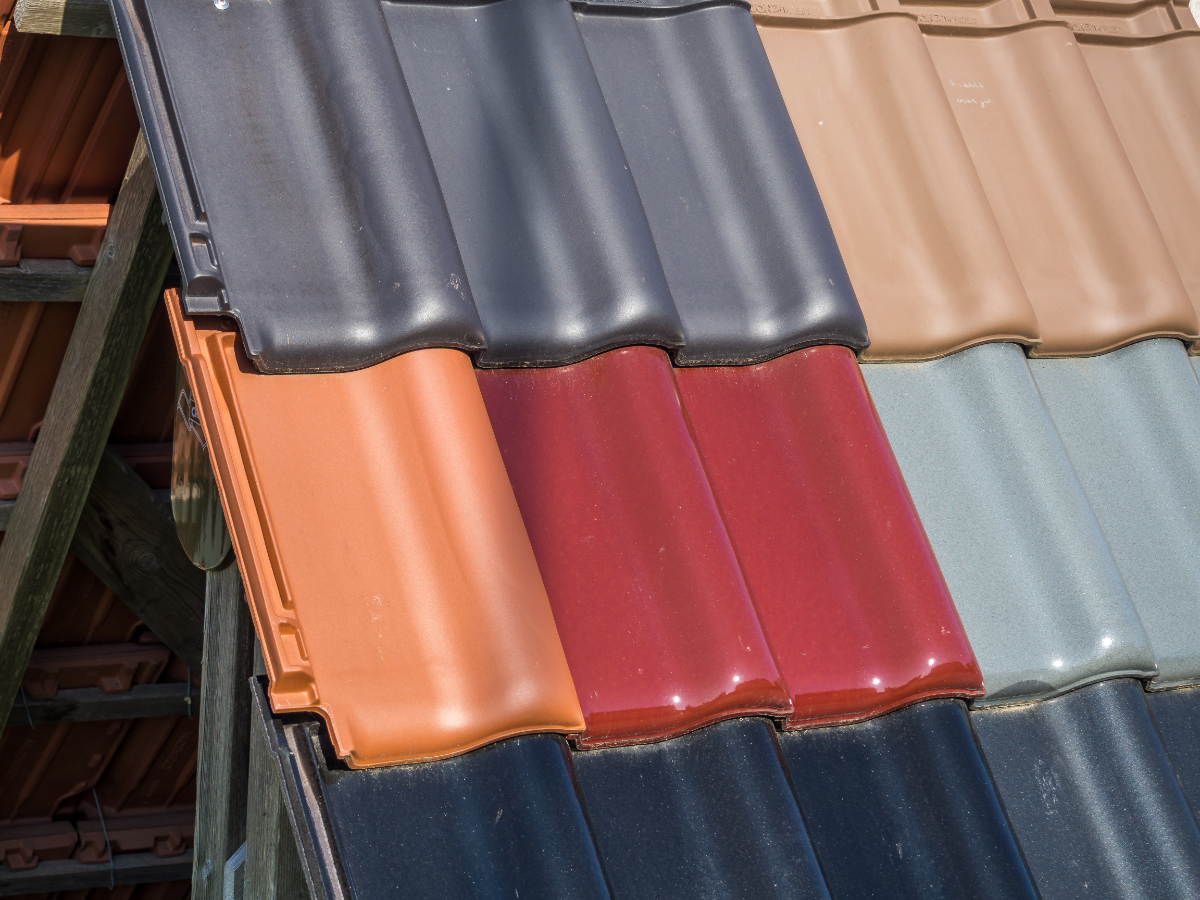
For Florida homeowners and contractors, choosing a metal roof color is a three-variable problem: how the color performs in heat, what the HOA will approve, and how it fits the architectural style of the home. The good news is that you have more flexibility than you might think. Florida HB 293 (2024) limits how much an HOA can deny a hurricane-protective roof system, and Solar Reflectance Index (SRI) data published by manufacturers (including the values RPS prints in its product catalog) lets you make a defensible heat-performance choice rather than guessing.
This post covers the three variables in order: how SRI works and what numbers actually matter for Florida heat, what HB 293 means for HOA approval in 2026, and which color palettes match common Florida architectural styles. With actual SRI data from the RPS Pro Loc Standing Seam color line, not generic averages.
Key takeaways
- SRI (Solar Reflectance Index) measures how cool a roof stays in the sun. Calculated per ASTM E1980 on a 0-to-100 scale (some materials exceed 100). Higher is cooler.
- For Florida residential metal roofs, an SRI of 29 or higher is the practical floor for heat performance. SRI 75+ qualifies for LEED cool roof credits; SRI 25-50 is the realistic range for darker colors that match traditional Florida architecture.
- RPS Pro Loc Standing Seam SRI values run from 4 (Black) to 85 (Bone White), with the warm-tone palette (Saddle Tan, Desert Sand, Light Stone) clustering in the SRI 50-75 range. Source: RPS 2025 Product Catalog.
- Florida HB 293 (2024) prohibits HOAs from denying metal roof installations that qualify as hurricane protection and meet adopted specifications. HOAs can still regulate color and style, but they cannot blanket-ban metal roofing.
- No Florida utility currently offers a direct cool roof rebate, but a high-SRI color materially reduces cooling costs in Florida’s climate. The savings argument stands on cooling cost reduction, not rebate stacking.
- Coastal Florida homes (within 1,500 feet of salt water) should specify aluminum substrate with PVDF/Kynar finish; the Valspar Weather XL warranty excludes that boundary.
What SRI actually measures (and the number that matters)
Solar Reflectance Index combines two underlying properties into one number:
- Solar Reflectance (SR): the fraction of solar energy a surface bounces back (0 to 1.0).
- Thermal Emittance (TE): the fraction of absorbed heat the surface releases back into the atmosphere (0 to 1.0).
ASTM E1980 defines the calculation that turns those two numbers into SRI. The reference points are calibrated: standard black (SR 0.05, TE 0.90) is SRI 0; standard white (SR 0.80, TE 0.90) is SRI 100. Some materials with engineered “cool color” pigments score above 100. Some hot dark surfaces score negative.
For Florida roofing, the practical SRI thresholds:
| SRI range | What it means in Florida |
|---|---|
| 75+ | LEED-eligible cool roof. Whites and very light tones. Maximum heat reflection. |
| 50–75 | High-performance cool roof. Most light and warm tones (cream, light stone, desert tan). |
| 25–50 | Mid-range performance. Medium grays, medium browns, lighter blues and greens. |
| 0–25 | Heat-absorbing. Dark colors. Black, charcoal, dark brown, dark green. |
Florida’s UV intensity makes SRI matter more here than almost anywhere else in the country. A roof that runs 70°F cooler in direct sun (SRI 80 vs SRI 5) translates directly into reduced attic temperatures, lower AC loads, and longer lifespan for both the roof system and the rooftop equipment. The Cool Roof Rating Council and ENERGY STAR both publish databases of rated products if you want to verify any specific manufacturer’s claims.
Real SRI data from the RPS color palette
This is the part most “metal roof colors” articles skip: actual numbers. RPS publishes Solar Reflectance, Thermal Emittance, and SRI values for every color in the Pro Loc Standing Seam line in the 2025 Product Catalog. Selected values from the catalog:
| Color | Solar Reflectance (SR) | Thermal Emittance (TE/IE) | SRI |
|---|---|---|---|
| Bone White | 0.70 | 0.85 | 85 |
| Stone White | 0.68 | 0.86 | ~80 |
| Light Stone | 0.62 | 0.85 | 73 |
| Saddle Tan | 0.63 | 0.86 | 75 |
| Desert Sand | 0.47 | 0.86 | 53 |
| Ash Gray | 0.30 | 0.85 | 30 |
| Old Town Gray | 0.26 | 0.84 | 24 |
| Charcoal Gray | 0.29 | 0.86 | 29 |
| Cocoa Brown | 0.25 | 0.87 | 24 |
| Burnished Slate | 0.27 | 0.86 | 26 |
| Colony Green | 0.30 | 0.86 | 30 |
| Ivy Green | 0.39 | 0.85 | 42 |
| Hawaiian Blue | 0.27 | 0.87 | 27 |
| Gallery Blue | 0.49 | 0.87 | 56 |
| Rustic Red | 0.37 | 0.86 | 39 |
| Black | 0.10 | 0.86 | 4 |
What this data tells you in practical terms:
- The whites and light tans (SRI 73-85) are LEED-eligible cool roof products. If energy performance is the priority, this is where to start.
- The desert and warm-stone palette (SRI 50-75) is the sweet spot for most Florida homes: meaningful heat reflection without the glare or “commercial building” look of pure white.
- The mid-tone grays, blues, and reds (SRI 25-45) still perform respectably in Florida heat — significantly better than dark colors despite not being LEED cool roof products.
- Black, charcoal, and very dark colors (SRI 4-30) absorb significant heat. Pick these for aesthetic reasons, not energy performance.
- The “cool color” pigment technology that lets some dark-looking metal roofs achieve higher SRI than they appear to deserve is real, but it’s not in this RPS catalog. A truly cool dark roof would require a specialty pigmented product priced accordingly.
The takeaway: if you want a defensible energy-performance argument for your color choice, the data is published. Don’t accept generic “metal roofs reflect heat” claims when you can cite the actual SRI for the specific product and color.
What Florida HB 293 means for HOA approval
Florida HB 293 (2024), signed into law on May 28, 2024, fundamentally changed what HOAs can and cannot regulate about hurricane protection. The law amends Florida Statute 720.3035 and applies retroactively to all Florida HOAs.
The relevant provisions for metal roofing:
- HOAs must adopt written hurricane protection specifications. These specifications must comply with the Florida Building Code and may regulate color, style, and “any other factor deemed relevant by the board.”
- HOAs cannot deny an application for installation of hurricane protection if the proposed product conforms to the HOA’s adopted specifications and the Florida Building Code. “Hurricane protection” explicitly includes roof systems.
- HOAs can still regulate appearance. Color, style, and visual consistency requirements are permitted as long as they are written, applied uniformly, and not used to effectively prohibit otherwise-qualifying hurricane protection.
In practical terms for a Florida homeowner installing a metal roof:
- Your HOA cannot refuse a metal roof outright. If the system meets Florida Building Code wind ratings (and metal roof systems with current Florida Product Approvals do), the HOA cannot deny based on material alone.
- Your HOA can require a specific color or limited color palette. The vast majority do. This is where the upfront color selection conversation matters most.
- Your HOA must give you their written specifications. If they don’t have them, that’s a procedural problem they have to resolve. Vague “we don’t allow metal” rejections are no longer legally defensible.
For homeowners who have been told “no metal roof” in past HOA conversations, HB 293 is the reason to revisit the question. The legal landscape changed in 2024 and most boards are still catching up.
Getting HOA approval in 2026: a practical sequence
The pre-HB 293 advice (find your HOA’s color guidelines, submit a detailed application, work with the board) still applies. What’s changed is your leverage if the board pushes back without basis.
A practical sequence:
- Request the HOA’s written hurricane protection specifications under F.S. 720.3035. If they don’t have them, point to HB 293.
- Cross-reference the HOA’s permitted color palette with what RPS (or your panel manufacturer) actually offers. The Pro Loc Standing Seam line includes 22 colors covering most palettes; if the HOA’s required color is genuinely available, the conversation is shorter.
- Submit detailed product specifications including the panel system’s Florida Product Approval number, the color name, the substrate (Galvalume or aluminum), and the finish (Valspar Weather XL or PVDF/Kynar).
- Document everything in writing. Email or certified mail. If the HOA is going to deny, they’ll need to do it in writing, citing the specification you allegedly violated.
- If denied without basis, seek mediation or legal counsel. Florida Statute 720.311 provides for HOA dispute mediation. HB 293 created clearer grounds for homeowners to challenge denial of hurricane-rated roofing.
Color palettes by Florida architectural style
Most Florida HOAs work from a recognized regional architectural vocabulary. Matching the metal roof color to that vocabulary is what gets applications approved with minimal back-and-forth.
Mediterranean / Spanish Revival (typical in South Florida, Coral Gables, parts of Tampa Bay): traditional clay tile aesthetic. Metal roofs that read as tile alternatives work best in Rustic Red, Crimson Red, or Burnished Slate. SRI 26-39, so heat performance is moderate but the color match is more important than the SRI delta.
Florida Cracker / Old Florida vernacular (Welaka and rural North/Central Florida, traditional cottage architecture): historically the metal roof was unpainted galvanized that weathered to gray, or barn red. Modern equivalents: Galvalume mill finish, Burnished Slate, Charcoal Gray, or Rustic Red. The unpainted Galvalume option is particularly authentic to the architectural tradition.
Coastal contemporary (Anna Maria, Sanibel, the Keys, modern beach communities): bright whites and pale tans dominate to reflect heat and match coastal aesthetics. Bone White, Stone White, Polar White, Light Stone, or Saddle Tan. SRI 73-85, so this palette also delivers the highest energy performance. For coastal homes within 1,500 feet of salt water, specify these colors on .032 aluminum substrate with PVDF finish.
Modern Florida / contemporary (newer developments, urban infill, architect-designed homes): the modern palette ranges from clean monochrome (Polar White, Charcoal Gray, Black) to deeper jewel tones (Gallery Blue, Ivy Green). Energy performance varies wildly across this range. Pair the aesthetic intent with the SRI table above before committing.
Traditional ranch / suburban (Central Florida subdivisions, mid-century neighborhoods): earth tones blend with surrounding homes. Saddle Tan, Desert Sand, Cocoa Brown, Ash Gray, or Old Town Gray. SRI 24-75 depending on choice; the lighter tans deliver the cooling benefit while still reading as suburban-appropriate.
Agricultural / barn / equestrian (rural Florida, horse country, working farms): traditional barn aesthetic. Rustic Red, Colony Green, Ivy Green, Burnished Slate, or Charcoal Gray. Galvalume mill finish is also widely used for working agricultural buildings where the cost savings on bare unpainted Galvalume matters more than aesthetic finish.
What about the “cool color” question for darker roofs?
Modern coil coating technology can produce darker colors with higher-than-expected SRI by using infrared-reflective pigments that bounce back the non-visible portion of solar radiation. A dark-looking roof can have an SRI in the 30s or 40s rather than the single digits a true dark color would deliver.
The catch: the RPS Pro Loc Standing Seam line uses standard Valspar Weather XL pigments rather than specialty cool-color pigments. The SRI numbers in the catalog reflect the standard formulations. If you want a darker aesthetic with significantly improved SRI, you would need to specify a custom cool-color formulation, which has minimum order quantities and longer lead times.
For most Florida residential and light commercial work, the practical decision is: pick a lighter color from the standard palette if energy performance matters, or accept the lower SRI for the aesthetic you want.
Coastal vs inland: the substrate-and-finish question
The color decision interacts with the substrate decision in coastal Florida. For homes within 1,500 feet of salt water:
- Galvalume substrate is excluded from warranty coverage under the Valspar Weather XL terms.
- Aluminum substrate is the recommended replacement; it’s naturally rust-proof and carries warranty coverage in coastal applications.
- PVDF/Kynar 500 finish holds color and gloss better than SMP under sustained UV and salt exposure.
For these jobs, the color palette is the same (RPS Pro Loc Standing Seam is offered in 26G steel, 24G steel, and .032 aluminum), but specify the aluminum substrate. The cost premium is meaningful (aluminum substrate is roughly 80 to 100% more expensive than Galvalume) but warranted for the reduced corrosion exposure.
For inland Florida (homes more than 1,500 feet from open salt water), Galvalume substrate with Valspar Weather XL paint is the standard, and the full color palette applies.
What to do next
If you’re picking a color for a Florida metal roof and want help mapping the architectural style, HOA requirements, and SRI performance into one decision, our team in Welaka offers free CAD takeoffs that include color recommendations alongside the panel quantities and trim specifications.
We’ll also send physical color samples on request — printed color charts and screen renderings can be misleading on metal substrates because the finish reflects light differently than printed paper. Holding the actual sample against your home’s siding, trim, and surrounding architecture is the only reliable way to confirm a color choice.
Request a free CAD takeoff or color samples at rpsmetalroofing.com or call 386-222-6779.